Family Entertainment Center (FEC) Insurance: Why It's a Specialty Risk
Family entertainment centers have evolved far beyond arcades with snack bars. Today's FECs combine innovative, immersive attractions like VR arenas, laser tag, go-karts, escape rooms, ropes courses, climbing walls, axe throwing, and bowling alongside full-service restaurants, extended hours, and a broader guest demographic.
That growth increases risk. Insurers now underwrite FECs as a specialty class rather than ordinary retail or restaurant businesses, because a single incident, such as a high-ropes course fall or a go-kart collision, can produce a claim far larger than most standard commercial policies anticipate.
For FEC owners, operators, and the agents who advise them, the challenge isn't just getting insurance. It's building a commercial property and liability insurance program tailored to the specific mix of attractions, foot traffic, alcohol service, and contractual obligations at each location. This guide covers the core lines of coverage, FEC-specific property and general liability exposures, how to set excess liability limits, and the risk management practices that help secure comprehensive protection.
Understanding the Core Lines of FEC Coverage
Each FEC has a unique policy tailored to their operations that varies by property, attractions, food and beverage service, and contractual requirements.
|
Line of Coverage
|
What it Covers
|
Why it Matters for FECs
|
|
General Liability (GL)
|
Third-party claims involving bodily injury, property damage, personal or advertising injury, and legal defense costs.
|
Protects an FEC operator from expensive legal and medical costs and is often required by landlords, franchisors and municipalities.
|
|
Commercial Property
|
Damage to the building, contents, and equipment from covered perils such as fire or vandalism.
|
Protects the physical assets, including high-value FEC attractions.
|
|
Excess/Umbrella Liability
|
Claims that exceed the liability limits of underlying general, auto, or liquor liability policies once those limits are exhausted.
|
Adds another layer of protection against catastrophic claims that high-risk attractions and large crowds can contribute to, which may exhaust underlying liability limits.
|
|
Liquor Liability
|
Third-party bodily injury and property damage claims arising from the sale or service of alcohol, including legal defense costs.
|
Protects FECs that serve alcohol from claims involving an intoxicated guest. This is required in most cases, even if alcohol is only an incidental part of the business.
|
|
Workers' Compensation
|
Medical expenses, lost wages, and rehabilitation costs for employees injured or made ill on the job, plus legal defense costs if a claim is disputed.
|
Protects FECs with employees and is legally required in nearly every state for businesses with employees on payroll.
|
|
Equipment Breakdown
|
Repair or replacement costs for equipment damaged by mechanical, electrical or operator error.
|
Protects the extensive attraction, arcade, kitchen, and facility equipment that FECs rely on to operate. With numerous mechanical and electrical systems powering guest experiences, an unexpected equipment failure can be costly.
|
|
Business Income / Interruption
|
Lost revenue and ongoing operating expenses while the facility is temporarily closed for a covered loss.
|
Helps FECs recover lost revenue during closures or disruptions caused by covered losses by providing funds to cover ongoing expenses so the business can remain solvent while repairs are completed.
|
|
Commercial Auto
|
Liability, physical damage, and property damage arising from insured vehicles used in business operations.
|
Protects FECs that own, lease or operate vehicles for business purposes from auto claims.
|
While each of the coverages discussed play an important role in a comprehensive insurance program, several warrant closer attention because they address some of the most significant risks facing FECs.
General Liability: The Foundation of FEC Insurance
General liability insurance is the backbone of protection for most family entertainment centers. High foot traffic, active attractions and frequent guest interactions create engaging guest experiences, but they also create liability exposures that commonly lead to claims. General liability insurance serves as the primary defense against these claims and is commonly required before an FEC can even open or operate. It is designed to respond to three primary categories of loss:
- Third-party bodily injury: When a guest is injured on an attraction or slips and falls on the premises, a third-party bodily injury claim may arise. This is the largest driver of FEC claims activity due to the inherently interactive nature of their daily operations.
- Third-party property damage: When a guest's property is damaged due to an FEC’s operations, such as a vehicle being damaged in the parking lot or personal property being damaged on-site, a third-party property damage claim may arise. While it is less common than bodily injury claims, these incidents can still result in significant costs for FEC operators.
- Legal defense costs: Defending against liability claims can be costly, regardless of whether the claims are found to be with or without merit. Legal defense costs include the cost to hire a legal defense as well as any settlement or judgment-related costs.
Attractions such as go-karts, ropes courses, climbing walls, and other interactive experiences may present a different risk profile than many traditional retail businesses. As a result, some commercial insurance carriers may have a limited appetite for these exposures, leading many FECs to seek coverage through carriers and managing general agents that specialize in the amusement and entertainment space. Premiums, available capacity and policy limits can vary based on factors such as attraction mix, operations, claim history, and overall risk characteristics.
How much general liability insurance does an FEC need? There is no one-size-fits-all answer, as appropriate limits depend on each business’s unique exposures and contractual obligations. However, many FECs begin with limits of $1 million per occurrence and $5 million aggregate. Larger operators, as well as those subject to landlord or franchise requirements, may find that higher limits are required or preferred.
Commercial Property: Protection of Physical Assets
While general liability protects an FEC business from what may happen to its guests and their property, property insurance protects the business from what may happen to its own physical property.
Property damage risks that an FEC may face generally fall into a few recurring buckets:
- Fire and electrical damage: Fire and electrical damage are some of the most significant property risks for many FECs. These businesses depend on extensive electrical systems, mechanical equipment and attraction infrastructure to support daily operations. Food and beverage areas that have open flames or grease may further increase fire exposure.
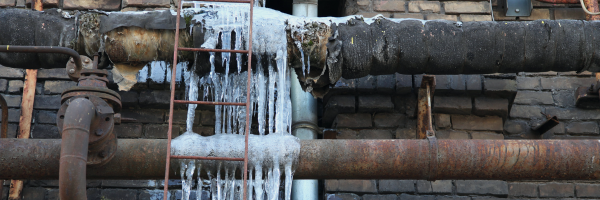
- Water damage: Water losses can result from plumbing failures, roof leaks, pipe bursts, sprinkler malfunctions, or severe weather intrusion. Even relatively minor leaks can damage arcade games, attraction equipment, flooring, inventory, and other business property.
- Storm, wind, and weather events: Outdoor attractions, signage, and building exteriors may be particularly vulnerable to wind, hail, lightning, and other severe weather events. Depending on the extent of the damage, both physical property and day-to-day operations can be impacted by these events.
- Vandalism and theft: These businesses often operate with high guest traffic, heavy cash flow, prizes and merchandise, and valuable equipment and assets. These characteristics can increase exposure to vandalism, theft and other criminal acts that can result in property damage or financial loss.
- Mechanical and equipment failure: FEC operations rely heavily on arcade machines, attractions, redemption systems, point-of-sale technology, and other specialized equipment. Due to the heavy, continuous usage of these assets, they can experience wear and tear that can lead to equipment breakdowns and expensive repairs or replacements.
- Business income (interruption): While not a direct cause of property damage, business income coverage can help replace lost revenue and support ongoing expenses when a covered property loss forces a temporary closure or disrupts normal operations. This coverage can be especially important for FECs, which often have significant fixed costs and may depend on seasonal demand or peak operating periods.
Excess Liability: Additional Coverage for Severe Claims
Why might family entertainment centers need higher liability limits through an excess liability policy? Catastrophic injury claims, particularly those involving children, can result in jury verdicts and settlements that may exceed the standard general liability policy limits. Excess liability can provide another layer of coverage to underlying general liability, commercial auto, and liquor liability policies and responds once those primary limits are exhausted. It can be especially important when:
- Landlord or franchise agreements require it. Many commercial leases and franchise agreements now require higher liability insurance limits as a condition of occupancy or operation.
- Higher-risk attractions are present. Common attractions such as go-karts, heights exposures, children’s play structures, and mechanized rides can increase the likelihood and severity of a claim.
- Liquor is served. Alcohol-related incidents are among the most common reasons claims exceed primary liability limits, making higher coverage limits an important consideration for venues that provide alcohol service.
As with general liability, the right limit for an FEC is not an industry-wide constant. Limits should be driven by contractual requirements, attraction risk, and the operator's own risk tolerance.
Liquor Liability: Protection When Alcohol is Involved
Recently, we have seen many family entertainment centers expand beyond traditional attractions by adding bars, lounges, or full-service restaurants to increase guest spending and enhance the overall guest experience. However, serving alcohol creates a liability exposure that is typically excluded from a standard general liability policy.
Liquor liability coverage helps protect businesses against claims arising from the sale or service of alcohol, including:
- Injuries caused by an intoxicated guest to others. This could include bodily injury or property damage involving guests, visitors, or other third parties.
- Injuries sustained by an intoxicated guest. Claims may arise when a guest's impairment contributes to an injury or accident on the premises.
- Off-premise alcohol-related incidents. In many states, liability can extend beyond the property itself. This depends on the state dram shop laws.
Because liquor liability is a distinct legal exposure, it may be written as a standalone policy or endorsement rather than included in a general liability policy. Businesses that purchase excess liability coverage should also ensure their liquor liability coverage is specifically scheduled so the excess policy responds as intended above the underlying limits.
Workers' Compensation: Protection for Employees
Worker's compensation insurance is required in most states when an FEC has employees. Beyond meeting statutory requirements, it helps protect both the business and its workforce from the financial impact of work-related injuries and illnesses.
Family entertainment center employees often perform physically demanding work throughout their shifts. Ride operators, food service staff, maintenance technicians and party hosts may spend hours standing, lifting, cleaning, operating equipment, and interacting with guests in fast-paced environments. These activities can create a range of workplace injury exposures, including:
- Slips, trips, and falls.
- Sprains and strains.
- Repetitive-motion injuries.
- Equipment-related injuries.
Workers' compensation claims can arise from both minor injuries and more serious incidents, so maintaining appropriate coverage is an important part of an FEC's insurance program.
Setting up an FEC for Better Insurance Outcomes
Insurance underwriters evaluate more than a family entertainment center's attractions and revenue. They also assess how effectively the business operates its facility and manages risk. Operators that can demonstrate strong risk management practices may have access to a broader range of insurance markets, more favorable terms, and potentially lower premiums.
Some of the risk management practices underwriters commonly look for include:
- Written safety protocols for every attraction. Documented operating procedures should address supervision requirements, participant eligibility criteria, height and weight restrictions, operating rules, and inspection schedules.
- Signed participant liability waivers. Signed waivers should be collected and securely maintained for all participants, with parent or guardian signatures obtained when required for minors.
- Routine inspection and maintenance logs. Detailed records of equipment inspections, maintenance, repairs, and corrective actions can help demonstrate a commitment to safety and support claims investigations if an incident occurs.
- Documented staff training programs. Staff should be trained on attraction operation and supervision, emergency response procedures, incident reporting, first aid and CPR certification, and responsible alcohol service for employees involved in serving alcoholic drinks. We recommend TIPS or an equivalent program for liquor service training.
- Emergency response and crisis management planning. Written plans should address what to do when injuries, fires, severe weather events, power outages, medical emergencies, and other situations arise that could disrupt operations or threaten guest safety.
- Consistent incident reporting procedures. Even minor incidents should be documented, investigated, and retained as part of a facility's risk management program.
These practices not only help create a safer environment for guests and employees, they are often required during insurance applications and renewals. They can provide underwriters with evidence that the business takes risk management seriously, which can impact overall coverage terms and insurance costs.
Key Insurance Details FEC Operators Shouldn't Overlook
Third Party Contract Review.
Leases, vendor agreements, and franchise contracts often contain specific insurance requirements that go beyond simply carrying coverage. These requirements may include:
These requirements may include: Reviewing these requirements against policies actually in place can help identify gaps before they can become costly problems. Discovering a contractual insurance discrepancy after a claim occurs may result in uncovered expenses, contract disputes, or indemnification obligations.
Understanding What Your Policy Covers and Excludes
Policy limits are important, but so are policy exclusions, restrictions, and sub-limits. A high-dollar liability limit may provide less protection than expected if a key exposure in an FEC's operations is excluded or subject to reduced coverage. For family entertainment centers, common terms that warrant close review include:
-
Restrictions or exclusions for specific attractions
-
Assault and battery exclusions
-
Liquor liability exclusions or sub-limits
-
Firearms exclusions
- Abuse and molestation coverage limitations
Understanding how these can apply to your operation can help ensure coverage aligns with the actual risks present at the facility.
So, What Insurance Does a Family Entertainment Center Need?
Insuring a family entertainment center is not about purchasing the largest policy available. It's about tailoring a commercial insurance program that matches the facility's unique combination of attractions, operations, guest volume, alcohol service, and contractual obligations.
General liability provides the foundation. Property insurance protects the physical assets that keep the business running. Excess liability can provide additional protection against catastrophic losses.
Workers' compensation, liquor liability, and the supporting lines close the gaps that a standard general liability likely doesn't cover on its own. Together, all of these coverages help create a more comprehensive insurance program aligned with the operational risks FECs face.
Just as importantly, insurance works best when it is supported by strong operational practices. Risk management can help reduce losses and demonstrate to insurers that risk is being actively managed.
The FEC industry continues to grow and evolve with growing expectations from guests, landlords, franchisors, and insurers alike. With the right insurance program in place and proactive risk practices behind it, operators can keep their focus where it belongs: creating safe, memorable experiences that keep guests coming back.
This article was created for educational purposes to share general information. Consult a licensed professional in your state when seeking advice. See your policy or agent to view your specific terms, conditions, coverage, exclusions, products, services, and programs.